Ministry of Health Launches Nationwide Measles-Rubella Vaccination Drive
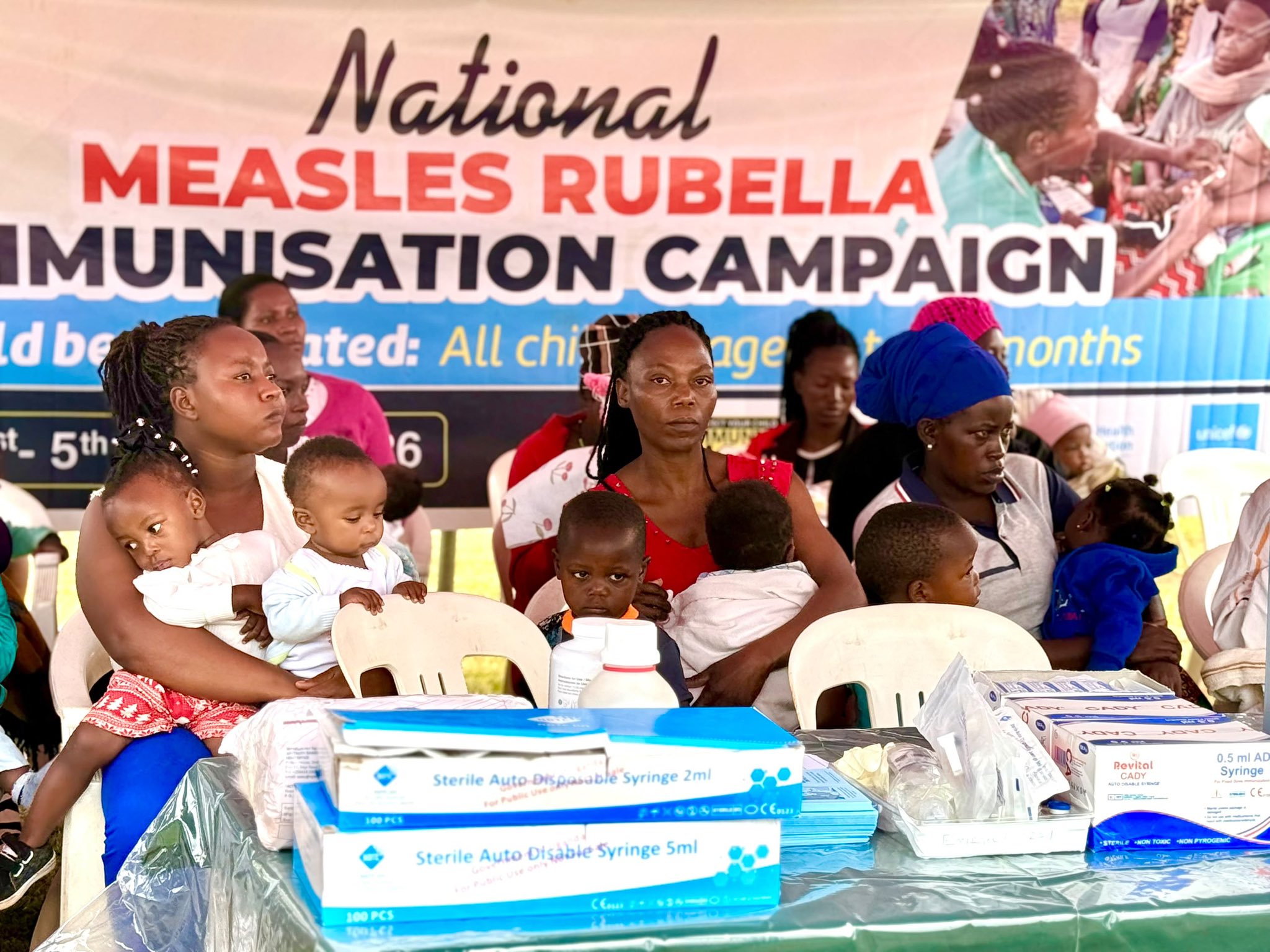
The Ministry of Health on Thursday launched a free, five-day measles-rubella vaccination drive targeting about 7.5 million children aged nine months to under five years. The campaign runs through Monday, 5 October 2026, at health facilities, temporary posts, and community outreach sites across the country.
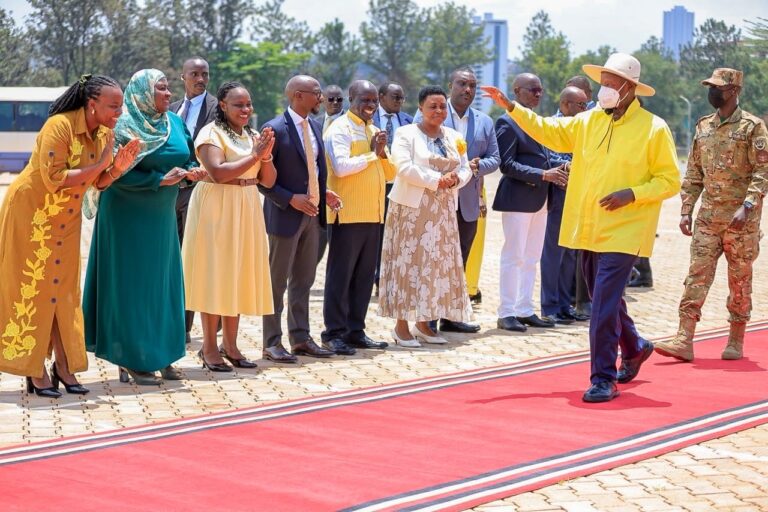
Health Minister Dr Chris Baryomunsi officiated the national launch at Wakiso Health Centre IV. In a statement ahead of the exercise, he said the aim is to reach every eligible child, whether or not they have already received a measles vaccine.
“The objective of this campaign is to close the existing immunity gaps,” Baryomunsi said. “Our longer-term priority is to strengthen routine immunization so that children receive their vaccines at the right time and sustain the level of population immunity required to prevent future outbreaks.”
Why the campaign is happening now
Measles remains one of the most contagious diseases that affect children, and it is also one of the most preventable. Uganda’s first-dose coverage has improved from about 79 percent in 2016 to about 90 percent in 2024, according to the Ministry of Health. That is still short of the roughly 95 percent coverage with two doses that the World Health Organization says is needed to interrupt transmission.
The second dose is the weaker link. Ministry analyses have put average first-dose coverage in recent years near 92 percent, while second-dose coverage was around 64 percent by 2025, with only a minority of districts above 90 percent.
The cost of those gaps showed up in surveillance data. In 2025, confirmed measles outbreaks were reported in 66 districts, with more than 10,163 cases and 60 deaths, the ministry said. Since January 2026, outbreaks have been confirmed in 20 districts, with 12 deaths. Technical teams traced the outbreaks mainly to children who missed vaccination entirely or received only one of the two recommended doses.
The vaccine also covers rubella. Infection is often mild in children, but if a woman contracts rubella in pregnancy it can cause congenital rubella syndrome and serious birth defects.
Who should go, and where
The drive is non-selective. Parents and caregivers are asked to bring every child aged nine months to 59 months, including those who have already completed the routine two-dose schedule. Officials describe the campaign dose as a booster meant to strengthen immunity, not a replacement for routine immunization.
Vaccination is free. Teams are working through fixed health facilities, temporary and mobile posts, markets, settlements, and mop-up visits. In many areas, village health teams are moving household to household to mobilise families. The exercise covers all local governments.
New Vision reported that the government and partners committed about Shs 21.8 billion to the campaign, with Gavi, the Vaccine Alliance, providing about $5.6 million. The Ministry of Health is leading the work with support from Gavi, WHO, UNICEF, and other partners, including CDC, the Red Cross, PATH, and AFENET. Planning started months ahead, with district readiness checks intended to fix gaps before teams went out.
What parents should know
- Take children aged nine months to under five years to the nearest health facility or outreach post between 1 and 5 October.
- Prior vaccination is not a reason to stay home. Children who already had one or two doses are still eligible.
- The measles-rubella vaccine is described by health authorities as safe and effective. Mild fever or soreness at the injection site can occur; caregivers are advised to seek care if a high temperature does not settle, and not to apply ice to the injection site.
- The campaign dose does not cancel routine immunization. Children should still receive scheduled vaccines on time after the drive.
Get breaking news on WhatsApp
Breaking news, straight to your phone.