Ugandans Sweep Streets for Third National Cleaning Day
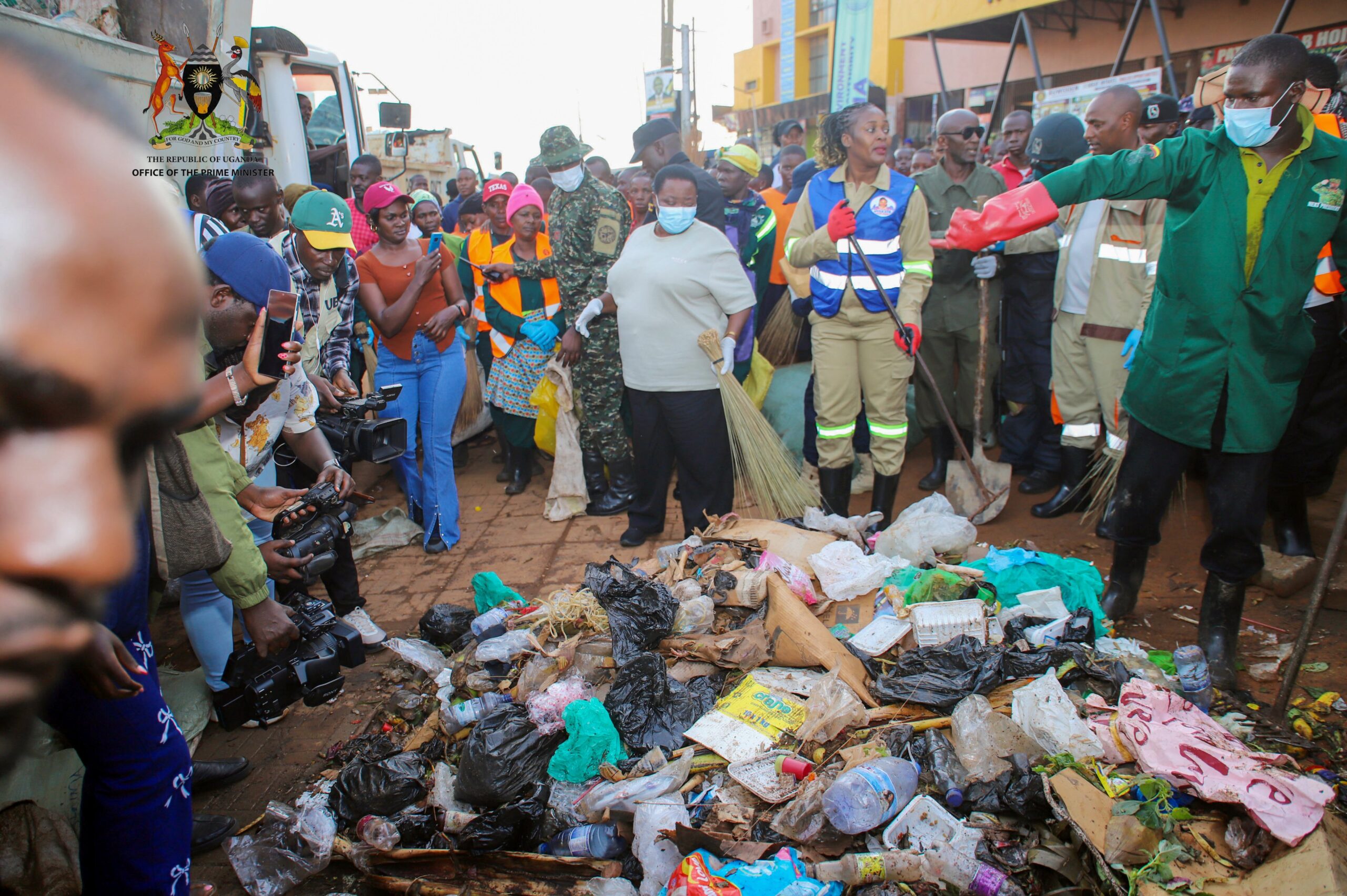
Ugandans across cities and towns turned out on Saturday morning to clear waste, sweep streets, and rake debris during the country’s third National Cleaning Day, held from 7 a.m. to 10 a.m. under the theme “A Clean Uganda is Everybody’s Responsibility.”
Businesses remained closed and non-essential movement was restricted nationwide, with only emergency, security, and certain essential vehicles allowed on the roads. The temporary pause in normal activity aimed to maximise participation in the mandatory monthly exercise, which takes place on the last Saturday of every month.
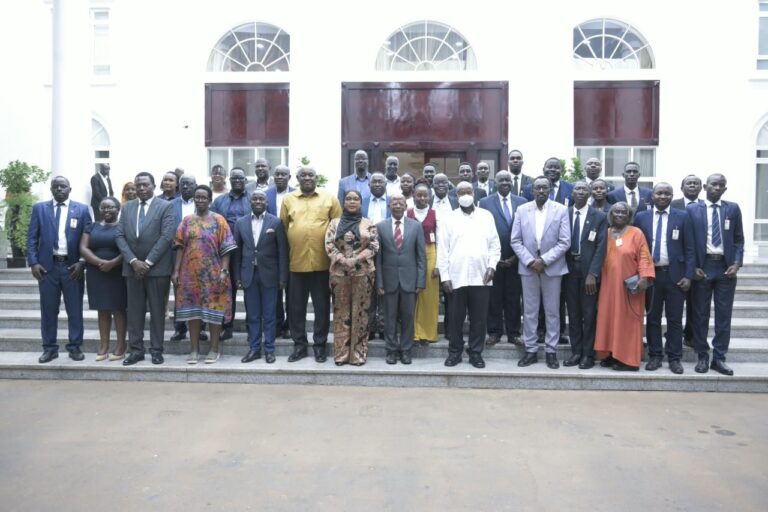
Participation levels varied. Strong turnout was reported in several areas, with leaders setting the example. Prime Minister Robinah Nabbanja led activities in Hoima City, the designated national focal point for this month’s exercise. Hoima was chosen in part because of its role in preparations to host matches for the 2027 Africa Cup of Nations (AFCON), which Uganda will co-host with Kenya and Tanzania. In Gulu, personnel from the Uganda People’s Defence Forces (UPDF), police, prisons, and local leaders cleaned streets, markets, and public spaces, though some residents stayed home. Similar scenes unfolded in other towns and districts, with officials, security forces, students, and community members joining the effort.
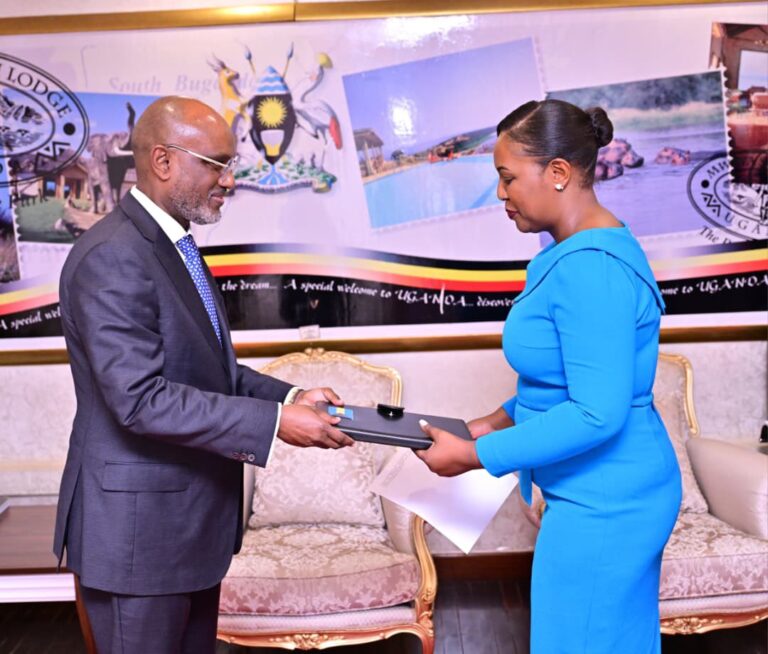
The initiative also supported preparations in Mbale, which hosts national World Tourism Day celebrations on Sunday, 27 September. Cleaning activities there formed part of broader efforts to present a tidy, welcoming image ahead of the tourism event, themed around digital transformation and artificial intelligence in the sector.
Launched in July 2026 after Cabinet approval in August 2025, the National Cleaning Day programme seeks to improve sanitation, reduce preventable diseases linked to poor hygiene (such as malaria, typhoid, cholera, and diarrhoea), foster lasting habits of cleanliness, and enhance Uganda’s appeal as a tourism destination. Government officials have repeatedly stressed that the three-hour monthly exercise is intended as a catalyst for everyday responsibility rather than a one-off event. “A clean environment is essential,” leaders have noted, emphasising that cleanliness begins in homes and extends to communities, markets, schools, health facilities, drainage channels, and public spaces.
The programme builds on Uganda’s traditional bulungi bwansi community self-help ethos while giving it a structured, nationwide calendar and enforcement framework. Restrictions on movement and business operations during the designated hours are designed to ensure focus on the cleanup. Exemptions apply for emergencies, security operations, medical needs, and certain other essential services.
As the third edition concludes, authorities continue to urge Ugandans to treat cleanliness as a daily civic duty. With the next National Cleaning Day scheduled for the last Saturday of October, the government hopes sustained participation will deliver healthier communities, reduced disease burdens, and a stronger national image.
Get breaking news on WhatsApp
Breaking news, straight to your phone.