Ugandans Flock to National Parks for Free Entry During Open Park Days 2026
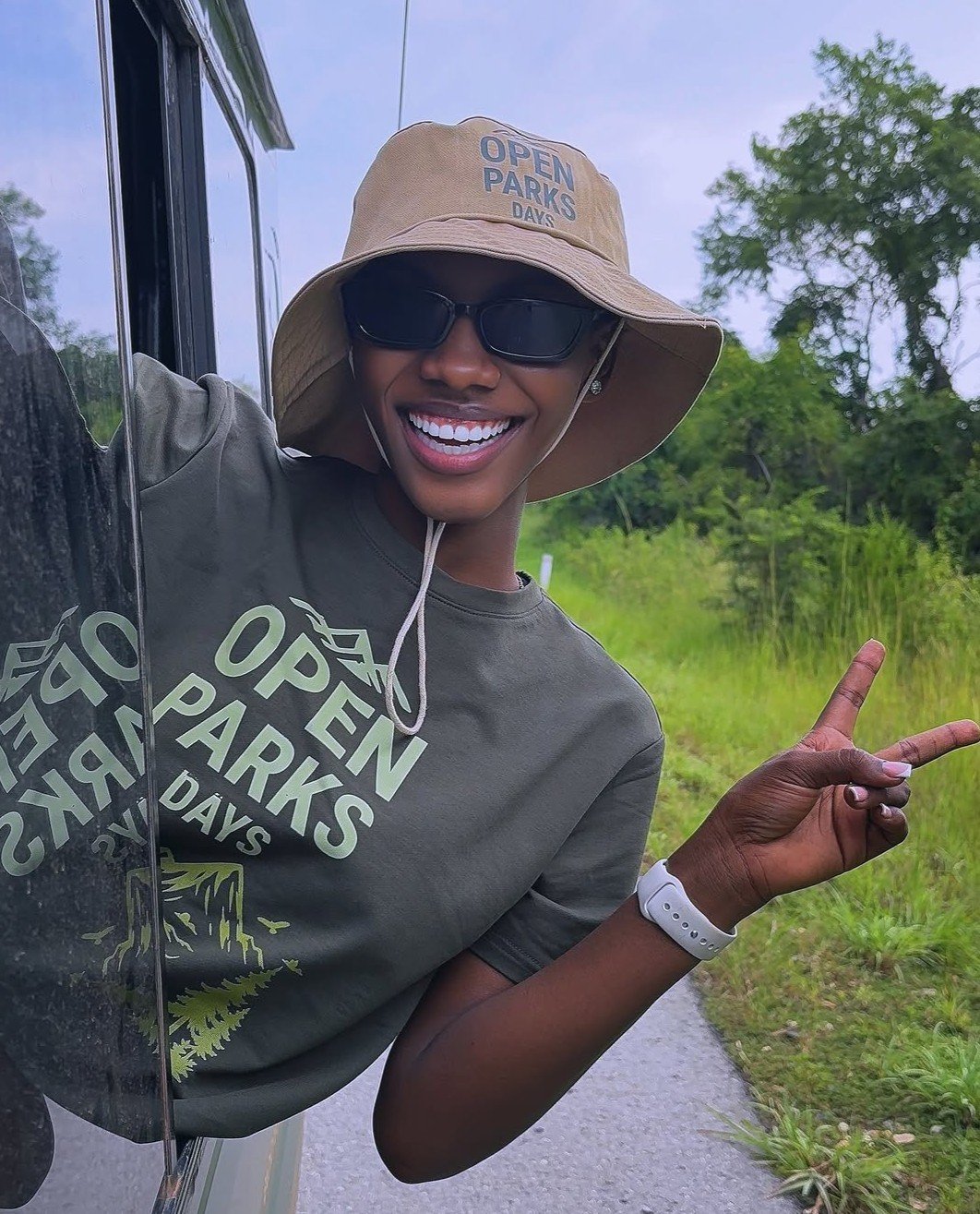
Ugandans and East African visitors turned out in large numbers this weekend to experience their country’s wildlife up close, as the Uganda Wildlife Authority (UWA) hosted its third annual Open Park Days from September 25 to 27, 2026.
The initiative waived park entry fees at selected savannah national parks and wildlife reserves, giving citizens a rare chance to explore Uganda’s natural heritage without the usual gate charges. Participating destinations included Murchison Falls, Queen Elizabeth, Lake Mburo, and Kidepo Valley National Parks, along with reserves such as Pian Upe, Ajai, Katonga, and Toro-Semuliki.
A Weekend of Wildlife Encounters
Visitors shared joyful moments spotting hippos, elephants, giraffes, zebras, and other iconic species during boat cruises and savanna game drives. At Queen Elizabeth National Park, many sought the famous tree-climbing lions of the Ishasha sector or took boat trips along the Kazinga Channel. Lake Mburo, popular for its proximity to Kampala and other urban centres, drew particularly strong crowds eager to see zebras, impalas, and rich birdlife.
Local communities living near the parks also joined in, taking part in nature walks and guided experiences. In places like Kanungu and around Queen Elizabeth, residents who had long lived beside protected areas finally explored them for leisure rather than viewing wildlife solely through the lens of human-wildlife conflict.
While entry was free, visitors still paid for optional activities such as boat cruises on the Nile, Kazinga Channel, or Lake Mburo, as well as guided walks and game drives. Transport and accommodation remained the responsibility of individual travellers.
Boosting Domestic Tourism and Conservation
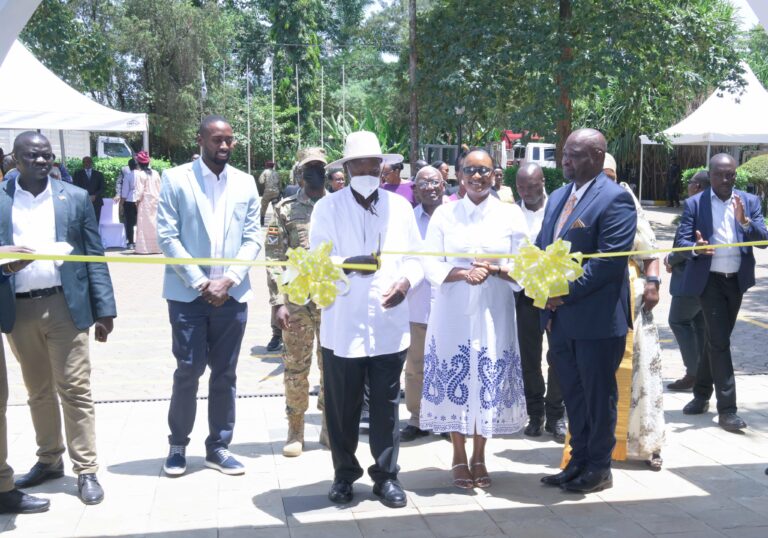
Organisers designed Open Park Days to spark greater interest in domestic tourism and deepen public appreciation for conservation ahead of World Tourism Day celebrations held in Mbale on September 27.
UWA officials have long noted that many Ugandans associate national parks primarily with foreign visitors. By removing the entry-fee barrier, the campaign aims to change that perception and encourage citizens to become ambassadors for their own natural treasures.
“You cannot promote what you have never experienced,” Dorcus Rukundo, UWA’s Acting Commissioner for Tourism and Business Development, emphasised in the lead-up to the event. “Let us explore Uganda, experience our wildlife, and share our story with the world.”
The strong turnout also provided a welcome boost to nearby vendors, lodges, and local service providers who benefited from the influx of domestic travellers.
Building a Culture of Ownership
Conservation advocates highlighted the deeper value of the initiative. When communities experience the parks as sources of pride and enjoyment, they are more likely to support protection efforts and view wildlife as a shared heritage rather than a distant government responsibility.
Now in its third year, Open Park Days continues to grow in popularity. The combination of free access, accessible locations, and the timing just before World Tourism Day has helped reconnect Ugandans with the landscapes and animals that make the Pearl of Africa unique.
As the free-entry window closed on September 27, many visitors left with fresh memories of hippos wallowing in the water, elephants crossing the plains, and giraffes silhouetted against the savanna sky — reminders that Uganda’s wildlife wonders are not only for international tourists, but for its own people too.
Get breaking news on WhatsApp
Breaking news, straight to your phone.