Soroti University Unveils Sh1.2 Billion Main Gate as Public Questions Spending Priorities
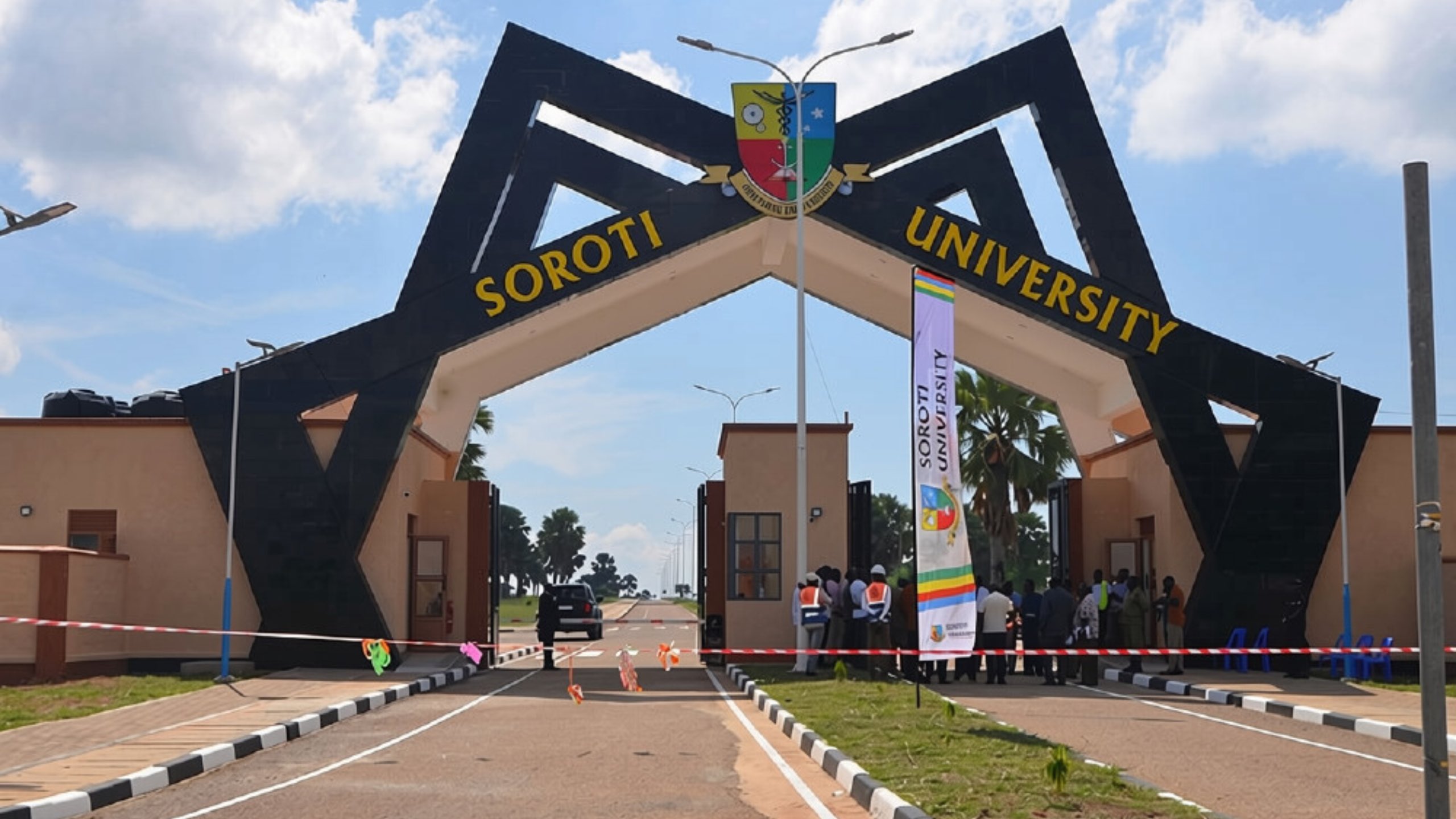
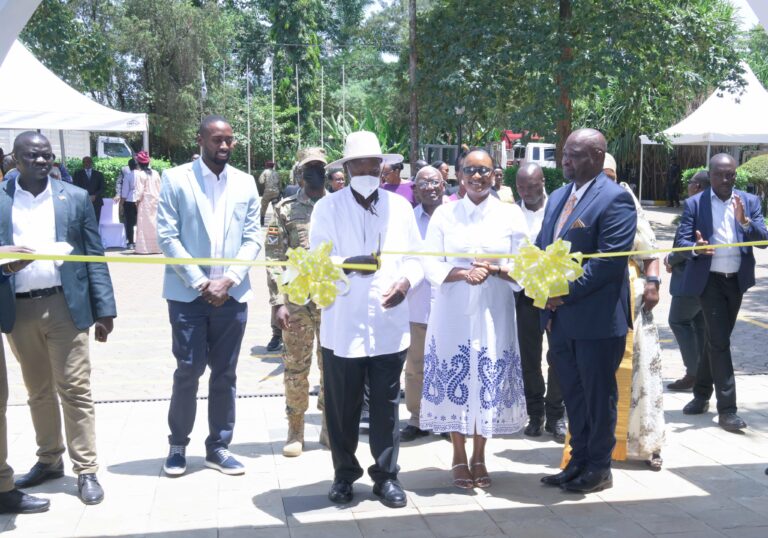
SOROTI, Uganda — On Friday, September 25, 2026, Soroti University officially commissioned its long-awaited main gate, a Sh1.2 billion facility designed to transform security, access control, and the institution’s architectural identity. The project, built by the National Housing and Construction Company Limited (NHCC) with government funding, has drawn sharp criticism online over its cost at a relatively young public university still expanding its academic and research infrastructure.
The new entrance features a 60-metre wall fence, a security house complete with a detention room, 13 CCTV surveillance cameras, solar power systems, mechanical installations, monitoring screens, computers, walkways, gate-control facilities, and accessibility provisions for persons with disabilities. University officials described it as integrating seven essential systems—architectural, structural, electrical, mechanical, fire-safety, ICT/security, and external infrastructure—into a single functional gateway expected to last more than 80 years.
Works began on September 28, 2025, and were completed on May 15, 2026. The project was originally scheduled for six months but faced a 132-day delay linked to election-related issues, requiring an extension. At the commissioning, officials noted that the contractor had received approximately Sh1.1 billion (88.3% of the contract sum), with the balance to be paid after rectifying remaining defects. A six-month Defects Liability Period is now underway.
Vice Chancellor Prof. John Robert Ikoja Odongo said the previous open setup had risked student unrest and that the prolonged construction period nearly sparked protests. He noted that a vehicle holding area for impounded vehicles remains unfinished. To help manage wear and tear and reduce reliance on government funding, he proposed a Sh5,000 entry fee for non-university and non-government vehicles.
Eng. Paul Anguria, Deputy Chief Estates Officer, said the gate creates a modern, secure, and controlled entrance for both vehicles and pedestrians while enhancing the university’s architectural identity. Christine Alobo, Prime Minister of the Soroti University Guild, welcomed the opening, citing the inconvenience of the temporary gate during construction, and called for the remaining open sections of the university fence to be secured.
Representatives from NHCC, including Deputy CEO Derrick Mutegyeki and Board Chairperson Sylvester Wanjuzi Wasieba, emphasized the gate’s durability and its role in regulating access so that those entering contribute positively to the institution and the country. Mutegyeki also highlighted the educational value of allowing students to observe real-world construction.
Soroti University, established as a public institution in 2015 and located in Arapai, Soroti District, focuses on health sciences, engineering, and applied sciences. It held its first graduation in December 2025 and continues to expand facilities, including plans for a national hospital, a six-storey central teaching facility, a new School of Engineering and Technology, 2,000-bed student accommodation, and a police station.
Despite the official celebration, the Sh1.2 billion price tag quickly became a flashpoint on social media. Minister Balaam Barugahara Ateenyi’s shocked reaction—“1.2 billion !!! Banange”—captured widespread skepticism. Users questioned whether the funds might have been better directed toward laboratories, research, teaching facilities, or other stalled projects at the still-developing campus. Critics pointed to the university’s history of infrastructure challenges and broader debates about public spending priorities in higher education.
University leaders framed the gate as a foundational security and access milestone rather than an extravagance. Whether the investment ultimately strengthens the institution’s operations and public confidence will depend on how effectively the remaining works are completed and how the broader campus development progresses in the years ahead.
The main gate now stands as both a physical landmark and a public talking point for Uganda’s ninth public university.
Get breaking news on WhatsApp
Breaking news, straight to your phone.