World Tourism Day Spotlights Digital Innovation and Local Gems
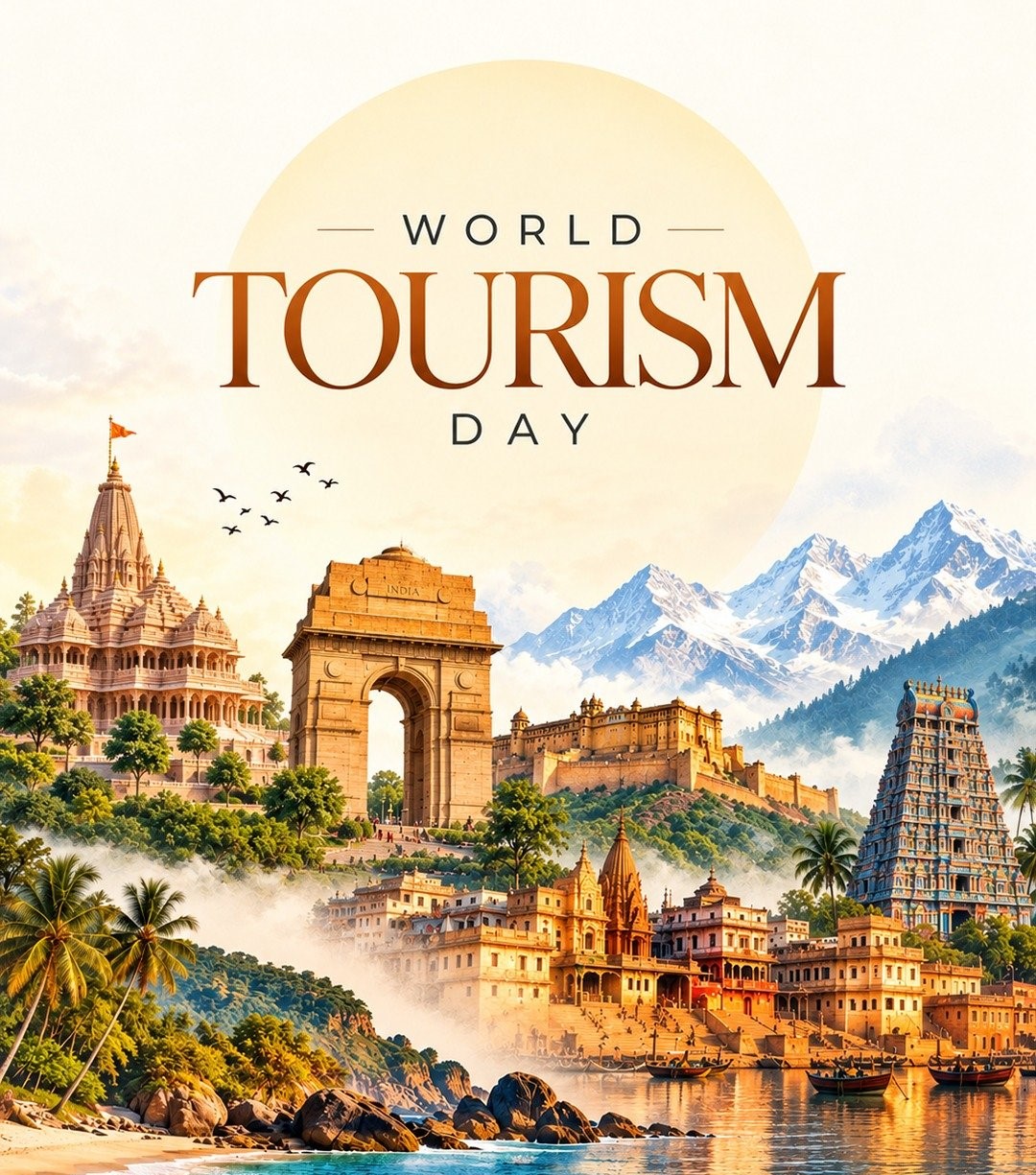
World Tourism Day 2026, observed on 27 September under the theme “Digital Agenda and Artificial Intelligence to Redesign Tourism,” has put a global spotlight on how technology is transforming travel while countries showcase their unique local attractions. From Uganda’s eastern highlands to the islands of the Maldives and the cultural heartlands of India, Pakistan, and Nepal, the day underscored tourism’s dual power: driving economic growth and forging deeper cultural connections.
In Uganda, national celebrations took centre stage in Mbale City. Leaders and officials gathered at venues including the Wildlife Education Centre, using the occasion to promote the region’s natural and cultural treasures. Mount Elgon National Park and the cascading Sipi Falls featured prominently as destinations ready for greater visibility in an increasingly digital age. The choice of Mbale was deliberate—shifting focus beyond traditional wildlife safaris to the coffee culture, Imbalu traditions, cuisine such as malewa (bamboo shoots), and scenic sites of the Bugisu and Elgon region. Free park access for citizens, cultural festivals, sports events, and capacity-building sessions for local operators accompanied the main programme at Mbale Secondary School grounds. Officials stressed that AI and digital tools can help smaller community-based businesses gain online visibility, accept digital payments, and reach travellers who now plan trips through algorithms and apps.

India echoed a similar balance of heritage and technology. Officials, including Maharashtra Chief Minister Devendra Fadnavis, called for preserving the country’s diverse culture, natural heritage, and history while harnessing artificial intelligence and modern tools to give tourism a fresh direction. Messages from national leaders highlighted connectivity, infrastructure, and conservation, noting tourism’s contribution of more than 5 percent to GDP and tens of millions of jobs. Initiatives around digital platforms, e-visas, and promotion of lesser-known destinations aligned with the global theme. Engaging public elements, such as creative destination challenges, added a playful note to the serious conversation about making travel more accessible and sustainable.
Across the Indian Ocean and the Himalayas, other nations reinforced complementary messages. In the Maldives, President Mohamed Muizzu reaffirmed the country’s commitment to a resilient, sustainable, and future-ready tourism sector. He emphasised digital innovation and skills development while safeguarding the archipelago’s natural beauty, unique identity, and signature hospitality—the foundation of an industry that remains central to the national economy. Pakistan’s leadership, including the President and Prime Minister, pointed to the country’s mountains, ancient Indus and Gandhara heritage, and warm hospitality, urging responsible integration of technology so that benefits reach local communities. Nepal’s tourism stakeholders stressed natural beauty, cultural richness, and the need to ensure the country’s full diversity appears in AI-driven recommendations rather than only its most famous peaks and trails.
Together these celebrations illustrate a shared understanding: digital tools and artificial intelligence can redesign how travellers discover, plan, and experience destinations, but they succeed only when they amplify rather than erase local character. Tourism remains a powerful economic engine and a bridge between cultures. On this World Tourism Day, the focus on both innovation and authentic local gems offers a practical roadmap—one that keeps the human experience of travel at the centre while opening new pathways for communities worldwide.
Get breaking news on WhatsApp
Breaking news, straight to your phone.