Canada Extends Ebola-Related Travel and Immigration Restrictions for Uganda, DRC, and South Sudan Until November 27, 2026
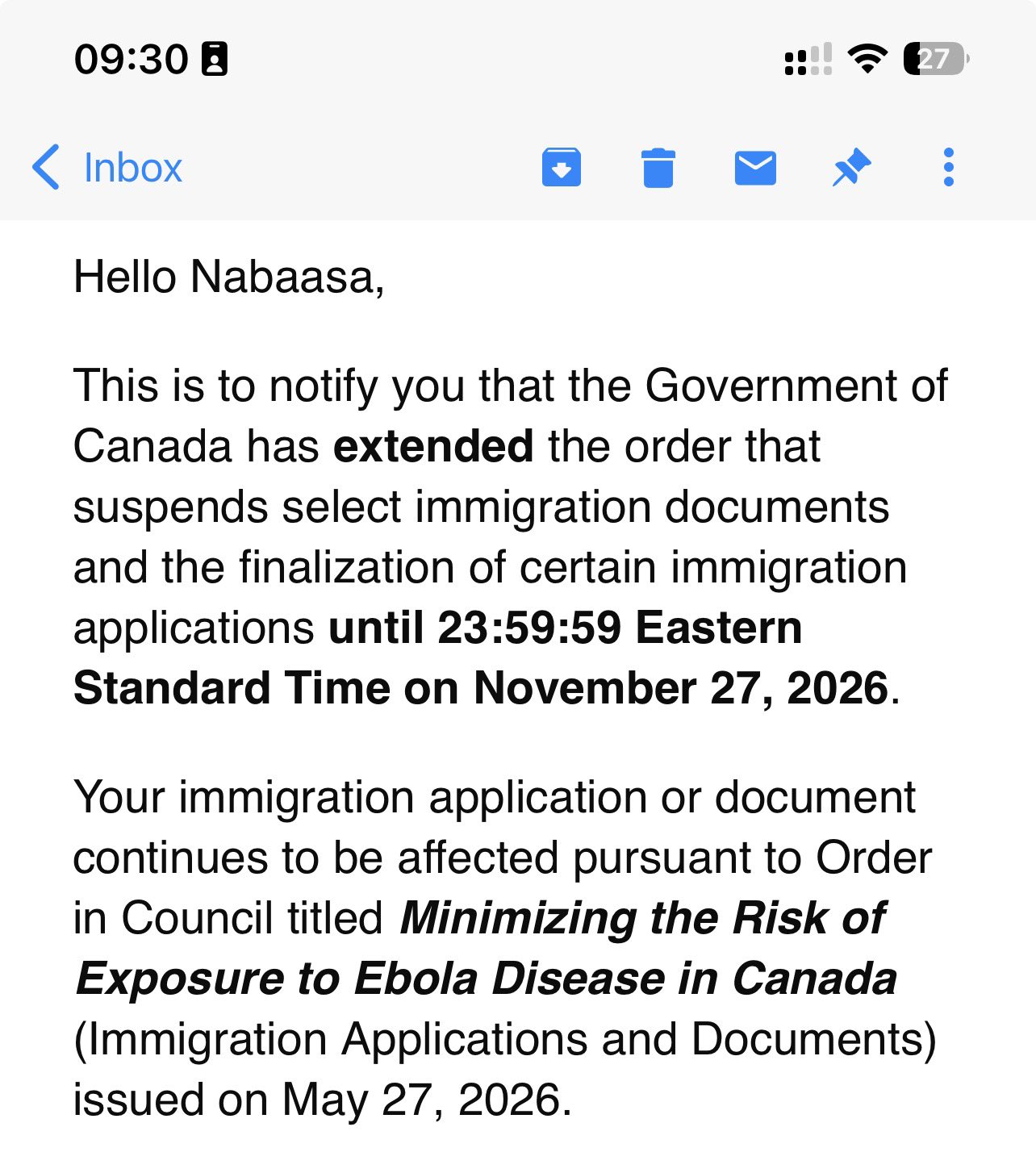
Canada has extended its temporary immigration and border measures linked to the Ebola outbreak for another 60 days. The measures, which apply to residents of the Democratic Republic of the Congo (DRC), Uganda, and South Sudan, will now remain in place until 23:59:59 Eastern Time on November 27, 2026.
Immigration, Refugees and Citizenship Canada (IRCC) announced the extension on September 28, 2026. Officials cited ongoing concerns about the Ebola outbreak in the DRC and the evolving risk in neighbouring countries, including Uganda and South Sudan. The government maintains that the risk to Canada remains low but is taking a precautionary approach.
What the Measures Include
The temporary rules suspend immigration documents for foreign nationals whose last country of residence (as stated on their application) is the DRC, Uganda, or South Sudan. This covers temporary resident visas, electronic travel authorizations (eTAs), permanent resident visas, and related permits. Even previously approved documents cannot be used to travel to Canada while suspended. IRCC continues processing applications but will not finalize them until the measures end.
Additional border rules apply based on recent travel history:
- Foreign nationals who have been in the DRC within the past 21 days are prohibited from boarding flights to Canada, entering the country, or transiting through it.
- Travellers (including Canadian citizens and permanent residents) who have been in Uganda or South Sudan within the past 21 days may enter Canada if otherwise eligible, but they must undergo a health assessment and complete a 21-day quarantine upon arrival (unless exempt). Symptomatic travellers face isolation at a medical facility.
These immigration suspensions originally took effect in late May 2026. Stricter entry prohibitions for those with recent DRC travel history began in July 2026. The latest extension follows earlier prolongations, including one that had set an end date of September 28, 2026.
Context of the Outbreak
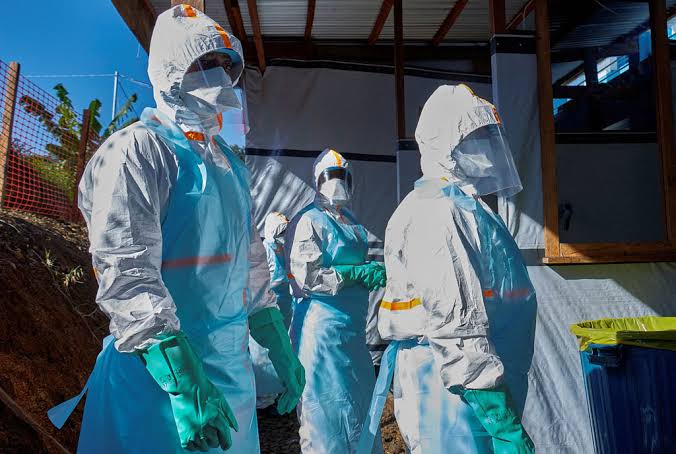
The measures respond to an Ebola outbreak (Bundibugyo species) centred in the DRC that began earlier in 2026. Uganda recorded a limited outbreak of 20 confirmed cases (mostly imported from the DRC), which its Ministry of Health declared over after completing the required monitoring period without new cases. Africa CDC and the World Health Organization also welcomed the end of Uganda’s outbreak in late August 2026. South Sudan has not reported active cases in the same way. Canada continues to reference the broader regional risk and the situation in the DRC.
Reactions in Uganda
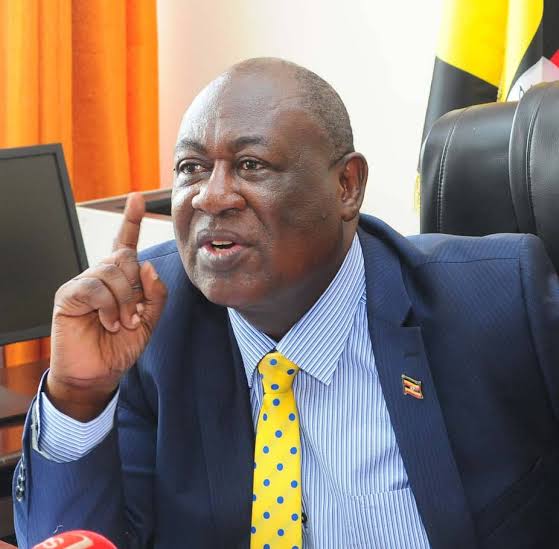
The extension has drawn frustration from many Ugandans online and in public discussion. Commentators note that Uganda has no active Ebola transmission and argue the continued restrictions harm travel, education, family reunions, tourism, and the broader economy. Some question whether the measures remain purely public-health driven. Uganda’s Foreign Minister Adonia Ayebare has indicated that diplomatic engagement with Canada continues.
Canadian authorities have stated that the measures are temporary, based on residence rather than citizenship, and that exemptions may be requested on a case-by-case basis (for example, for urgent humanitarian reasons or demonstrated low public-health risk). Once the measures end, suspended documents are expected to be reactivated automatically where still valid.
Travellers and applicants affected by the rules are advised to check the official IRCC and Public Health Agency of Canada pages for the latest details, as further extensions or changes remain possible depending on the evolution of the outbreak.
Get breaking news on WhatsApp
Breaking news, straight to your phone.