All Senior Six leavers to go to Kyankwanzi for six months of patriotism training
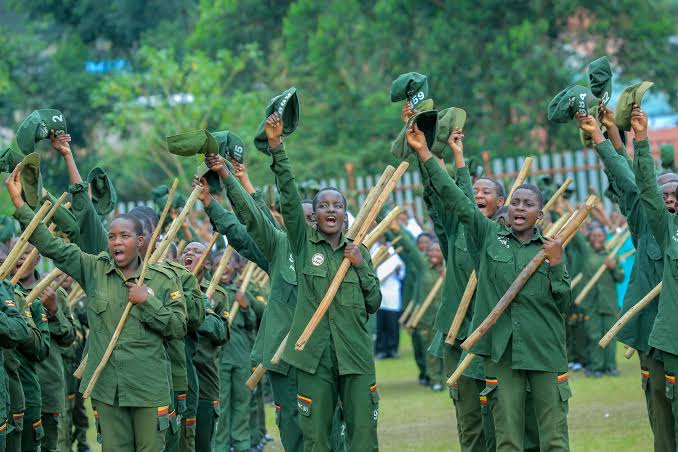
All students completing Senior Six in Uganda will be taken to the National Leadership Institute (NALI) in Kyankwanzi for about six months of patriotism and leadership training, under a plan the government says will start this year.
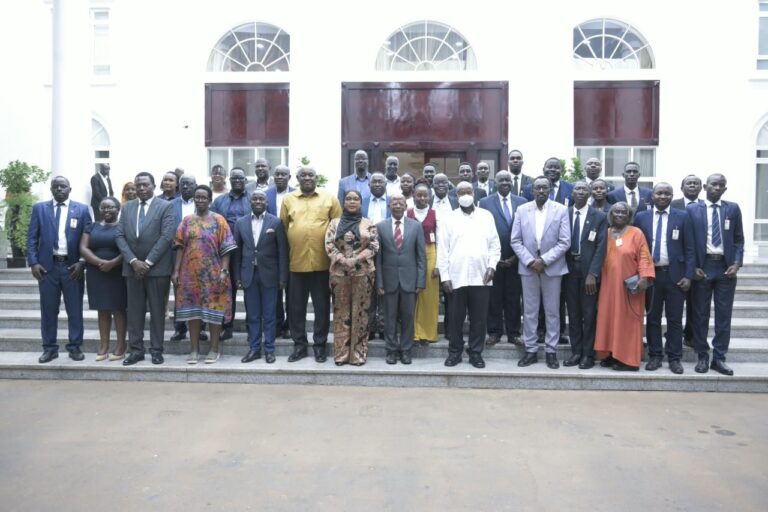
Hellen Seku, Commissioner of the National Secretariat for Patriotism Corps (NSPC), announced the decision on 3 October 2026 at Immaculate Heart Girls’ Secondary School Nyakibale in Rukungiri District. She was speaking at the pass-out of more than 1,700 students from four institutions who had just finished a week-long patriotism course.
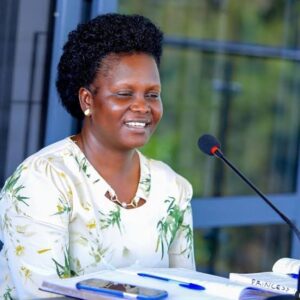
“I can assure you, head teacher, we are going to begin this year. So, this year we agreed with Jaaja [President Museveni] that all Senior Six vacists are going to Kyankwanzi. You’re going to go for about six months,” Seku said, according to a statement published by State House.
Who must attend
The course is meant for Senior Six vacists — students who have sat, or are about to sit, the Uganda Advanced Certificate of Education examinations and are in the gap before university, tertiary training or work.
Seku also said patrons, coordinators, teachers and head teachers who have never taken patriotism training, and those whose training is long out of date, will be required to do a refresher course. “We want everybody to undergo the training,” she said.
State House described the move as a revival of earlier Kyankwanzi programmes that brought students and other Ugandans together for ideological and patriotism instruction. Gadgar Kibayo Arinitwe, head teacher of Makobore High School, told the gathering he had done a similar course for two months in 1993 after Senior Six, and that the values from that training still shaped his outlook.
What the course covers
The week-long course just completed in Rukungiri is the closest public guide to the content. State House said it covered security and ideological patriotism, national identity and political history, discipline, Pan-Africanism, citizenship (including material linked to Article 9 of the Constitution), HIV/AIDS awareness, and patriotism cooperatives. Sessions also touched on environmental protection, entrepreneurship and integrity.
Students did early-morning drills and parades, used Kiswahili outside the classroom, and heard lectures from Uganda People’s Defence Forces officers, professional trainers and NSPC coordinators. Facilitators at Nyakibale included Brig. Gen. Justus Rukundo. Capt. Richard Owaruhanga, Assistant Commissioner in charge of training, was among the NSPC officials present. Seku thanked Chief of Defence Forces Gen. Muhoozi Kainerugaba for supplying instructors when the secretariat requests them.
The constitutional argument
Seku told the students that patriotism is a duty of every Ugandan, and cited Article 17, clause 2 of the Constitution. “When you read our Constitution, Article 17, Clause 2, says every Ugandan shall undergo patriotism training, and the Government shall ensure that such facilities are provided,” she said.
The clause, as written, is narrower than that paraphrase. It says it is the duty of all able-bodied citizens to undergo military training for the defence of the Constitution and the protection of Uganda’s territorial integrity whenever called upon, and that the State shall ensure facilities are available for such training. Clause 1 of the same article lists separate civic duties, including defending Uganda, rendering national service when necessary, combating corruption and protecting the environment.
A wider push beyond schools
Seku said President Museveni has also mandated the secretariat to reach higher institutions of learning and young people in the informal sector. She pointed to recent training of boda boda riders at Kaweweta and of Ugandans returning from South Africa under a voluntary repatriation programme. “We want every Ugandan to get a dose of ideology. This is the time when this country needs an ideological direction for everybody,” she said.
School-based patriotism clubs and short courses have run for years. In May 2026, Seku told a pass-out at King’s College, Budo, that the patriotism course is recognised in the education curriculum and is examinable, and that denying it in schools denies learners “important information and exposure beyond the classroom.”
What schools and students said
At Nyakibale, student speaker Mercy Okuyangabire said the joint course had made learners more responsible and had built friendships across schools. Students cited Kiswahili on parade, lessons on Uganda’s history, survival skills, and advice to become job creators rather than only job seekers.
Sr Tumusiime Sabino, head teacher of Immaculate Heart Girls’ School, welcomed the programme as preparation for life after school, including unemployment. Monica Kobusingye, deputy principal of Karoli Lwanga Institute of Health Sciences, asked that it be extended to more institutions and tied it to integrity in the health professions. Deputy Resident District Commissioner Wilberforce Ongom Ahimbisibwe told the students that qualifications without discipline were not enough, and urged them to reject corruption and the misuse of wetlands.
The four institutions at the Rukungiri pass-out were Immaculate Heart Girls’ Secondary School Nyakibale, Karoli Lwanga Institute of Health Sciences, Kinyasano Girls’ High School and Makobore High School.
What is still not clear
The announcement does not say how a national cohort will be housed, fed and instructed at one institute for six months, whether students will go in batches, who will pay, or how the course will sit against university admissions and other post-UACE plans. Exact start dates after the examinations have not been published.
Those gaps are the practical questions parents, schools and students are now left with: capacity at Kyankwanzi, overlap with material already taught in school patriotism clubs, and whether a compulsory residential course will leave room for competing ideas about citizenship, or mainly transmit a single official line. The government has so far framed the programme as discipline, national identity and civic duty, not as a debate curriculum.
Get breaking news on WhatsApp
Breaking news, straight to your phone.