African Football Leaders Convene in Cabo Verde After World Cup Success
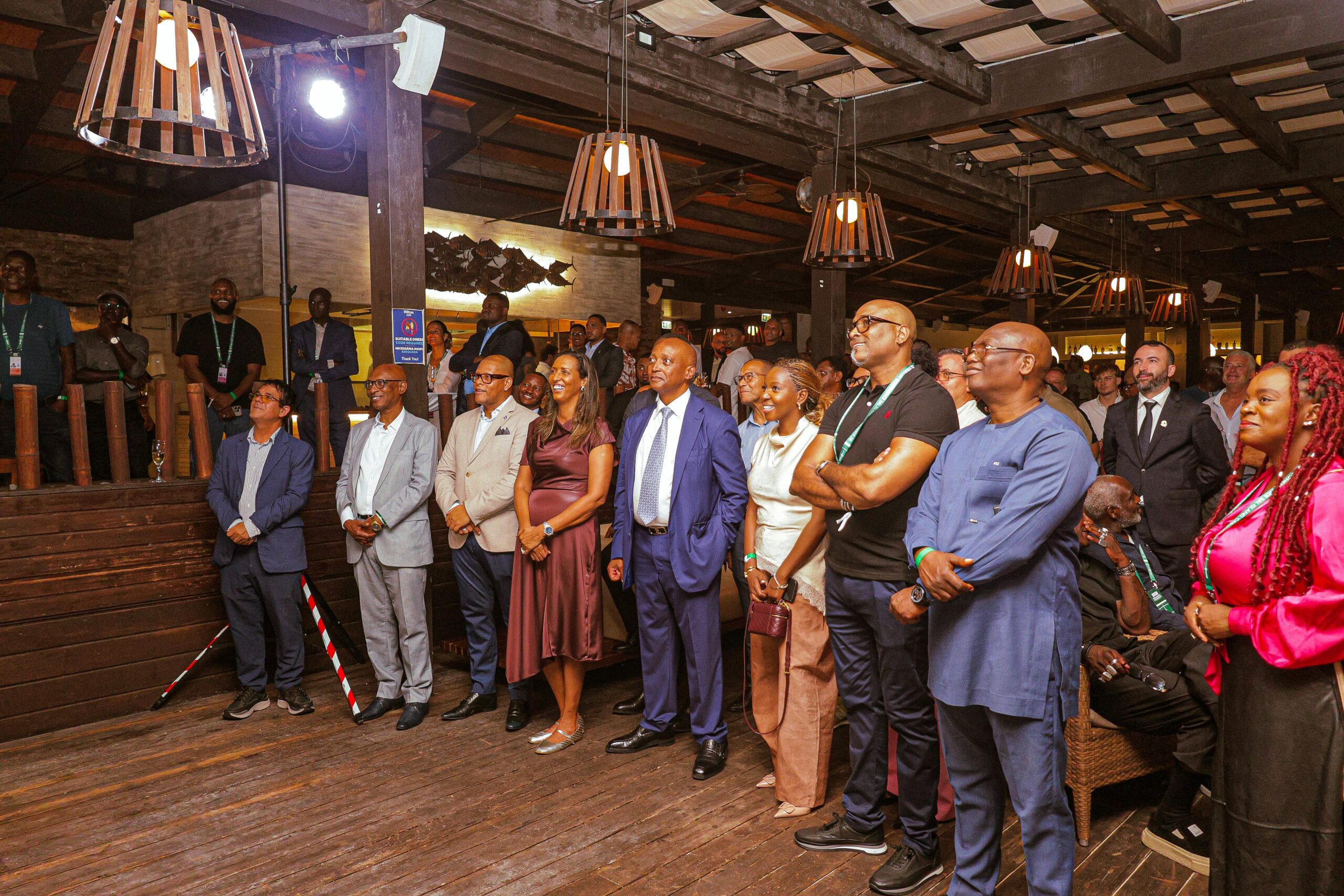
SANTA MARIA, Sal — The CAF Strategy Conference entered its main political day on Thursday with presidents of the confederation’s 54 member associations, zonal leaders, coaches and technical experts gathered on Sal Island to set a post-World Cup course for African football.
The three-day meeting, running 7–9 October at the invitation of CAF President Dr Patrice Motsepe, is built around two pillars: development and financial sustainability across the associations, and a review of the ten African sides that played at the 2026 FIFA World Cup, with a view to 2030. Nine of those ten teams reached the knockout stage, the strongest collective return the continent has produced at a World Cup. Cabo Verde, the host, is the symbolic centre of that story.
Cabo Verde’s president, Dr Janira Hopffer Almada, opened the public session in Santa Maria alongside Motsepe and FIFA President Gianni Infantino. She credited the national team’s run to hard work rather than luck, praised federation president Mário Semedo and coach Bubista, and urged delegates to treat the week as an exchange of investment, ideas and opportunity — including in the women’s game.
Motsepe used the opening to honour Cabo Verde’s campaign and to frame the closed sessions that followed: how member associations become more self-supporting, and how CAF competitions become more competitive on a global scale. He also restated a political line that has defined the week. Speaking in Sal, he said CAF’s 54 members would again back Infantino in the FIFA presidential election.
Infantino, addressing association presidents in one of his more visible appearances since his plan to sell a stake in FIFA competitions collapsed in July, promised continued resources and closer collaboration ahead of 2030. He pointed to the FIFA Forward programme — about one billion dollars over ten years in Africa, across 124 projects — and called ten African teams at the last World Cup “a success for the entire continent.” He did not revisit the failed commercial proposal directly, but said he wanted an open dialogue where there is disagreement.
Friday’s programme shifts from politics to performance. Coaches from the World Cup sides, including Bubista, Egypt’s Hossam Hassan and DR Congo’s Sébastien Desabre, are due to sit with coaches from the other associations and with FIFA’s Technical Study Group, led by Arsène Wenger, FIFA’s chief of global football development. Women’s national-team coaches qualified for 2027, and under-17 staff heading to their World Cup, are also on the invitation list. Much of that technical work will be behind closed doors; a press conference is expected at the end of the gathering.
Nigeria is the notable absentee. Organisers had called all 54 presidents; the Nigeria Football Federation is not represented, amid unresolved leadership questions at home. CAF has not treated the gap as a reason to pause the agenda.
The bet in Sal is straightforward. Africa has the results. The conference is meant to decide whether those results produce lasting federations, better leagues and a clearer path to 2030 — or remain a one-tournament peak.
Get breaking news on WhatsApp
Breaking news, straight to your phone.